Blog
Practical notes for realistic finished photos.
Short guides on source photos, prompts, lighting, timestamps, privacy, and the everyday decisions that make a result feel ordinary.
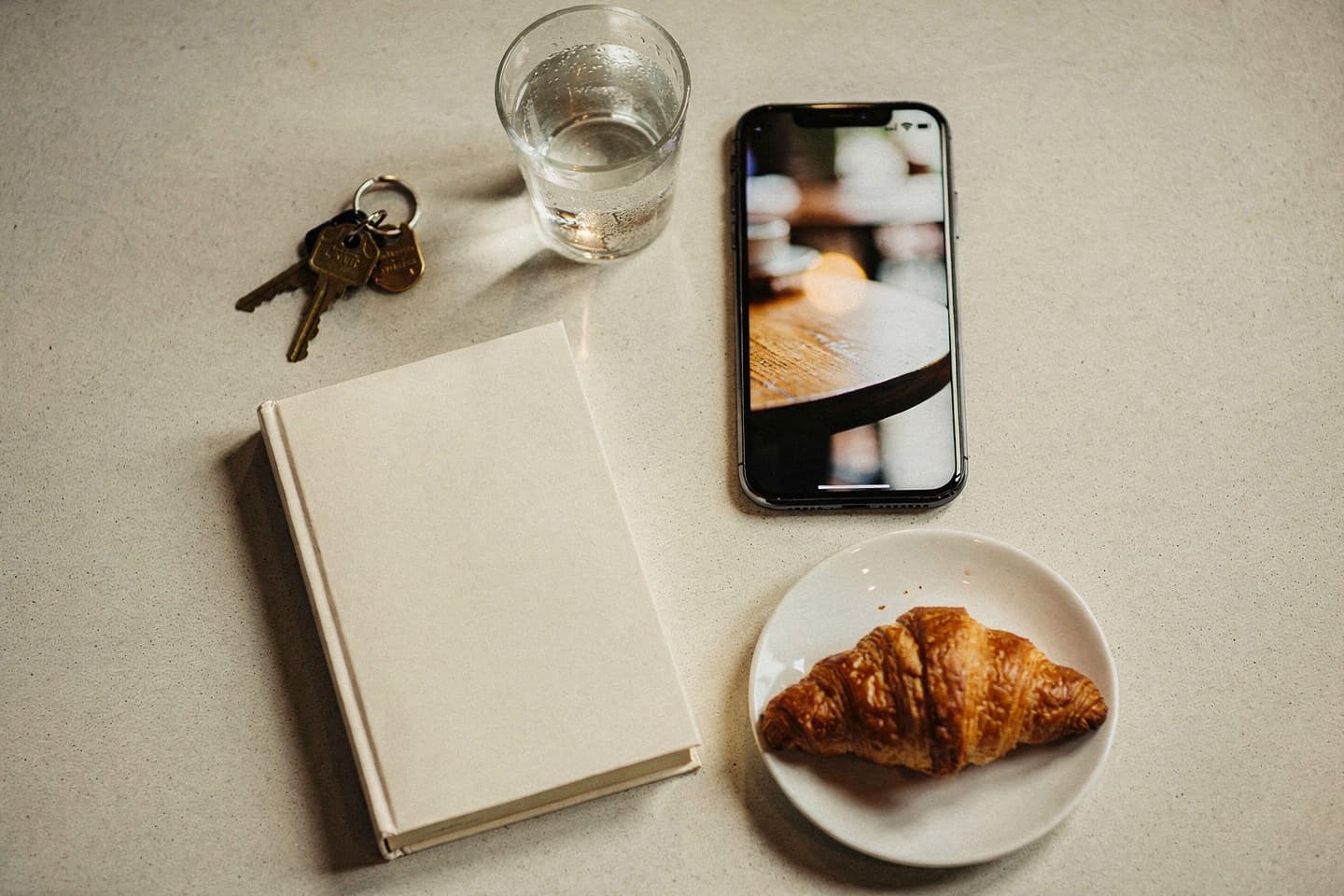
Best Tools for Responsible Digital Alibi Photos
A practical comparison of the main ways to create realistic personal photos from a selfie: a dedicated digital alibi photo app, general AI image tools, photo editors, and manual metadata utilities.
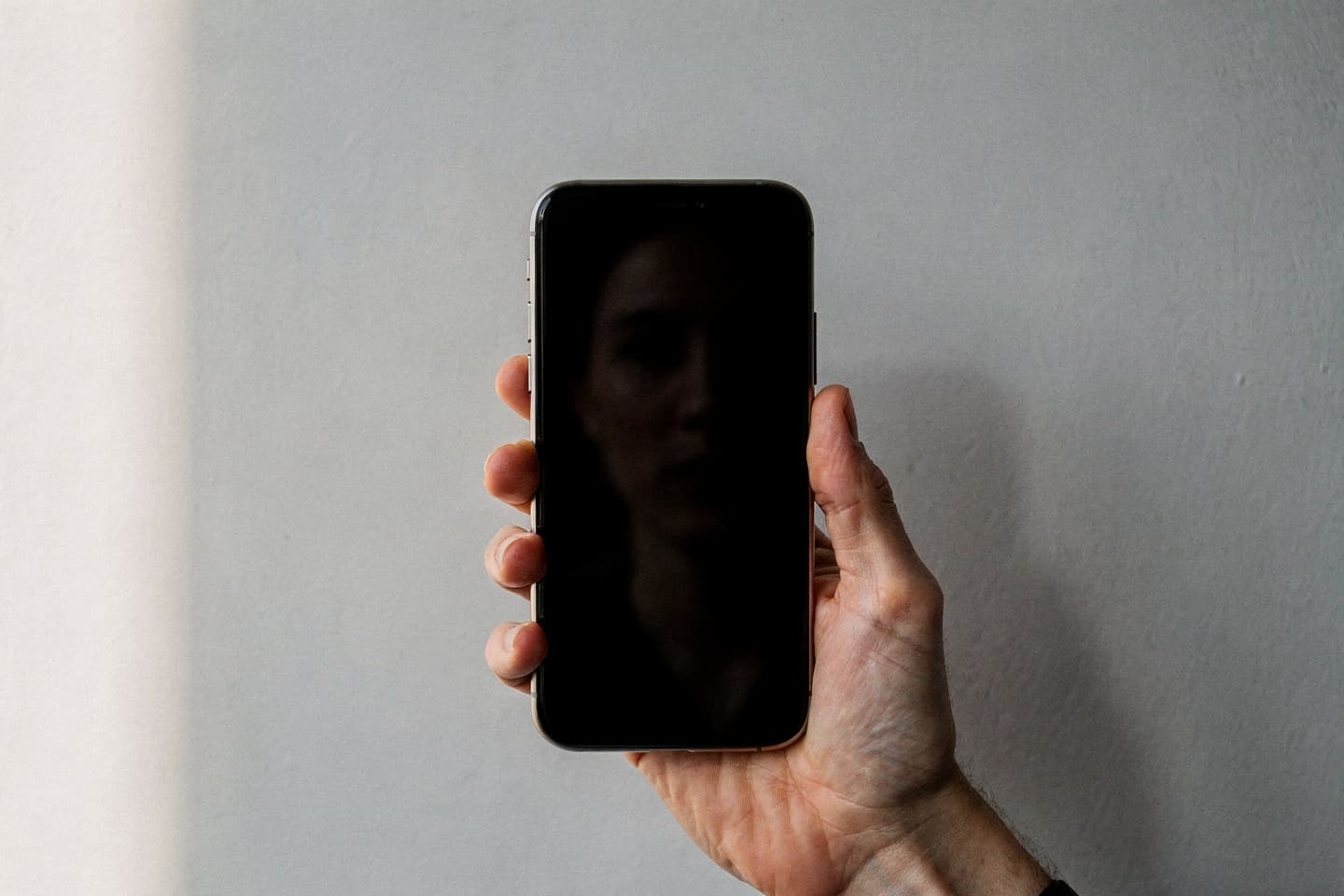
How to Take a Perfect Selfie for AI Photo Generation
The selfie you upload decides 70 per cent of the final result. Here is exactly what makes a good source photo, what makes a bad one, and the five-second test that catches most problems.
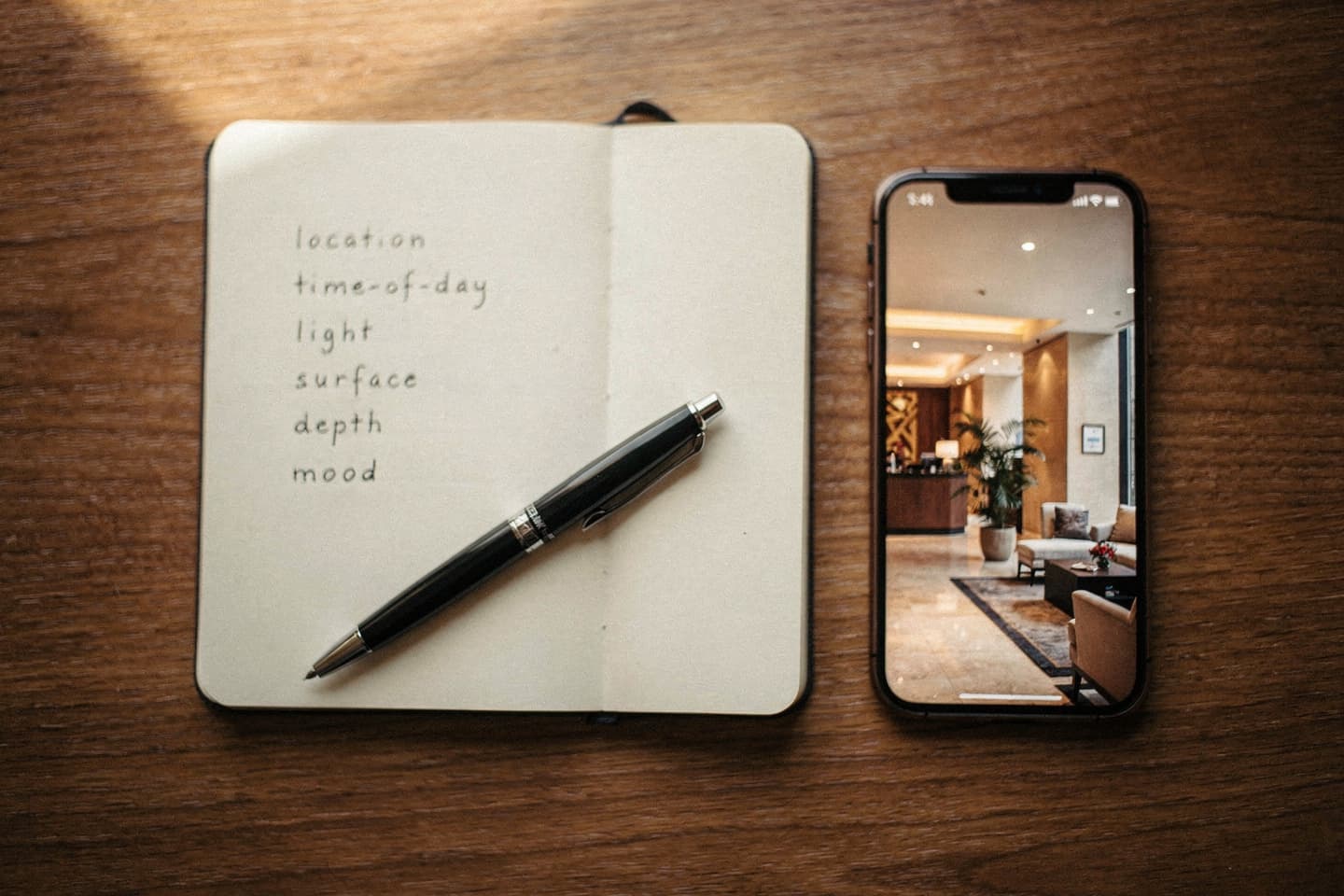
Anatomy of a Perfect Prompt: How to Describe a Setting So It Looks Real
A field guide to writing prompts that produce believable finished photos. Six ingredients, common mistakes, and worked examples for cafes, hotels, airports, and offices.
Selfie to Saved Photo: A Walkthrough of the Workflow
An end-to-end walkthrough of the app, written for someone who has never used it. Covers the upload, the prompt, the time-of-day picker, the generation, the variants, and the download.
Lighting Tips for Believable Composite Photos
The single biggest reason a composite photo reads as fake is light that does not match. Here is what to watch for, how to fix it at the source, and how to describe light in a prompt so the model does the right thing.
Why Timestamps on Photos Matter More Than You Think
A photo's metadata is its quietest layer. Most people never look at it; the ones who do are the ones whose opinion matters. Here is how timestamps work, how the app handles them, and why this is the difference between a believable photo and a confused one.
The Best Travel Settings to Use in a Prompt
Some travel locations are easy to fake well; others almost never work. Here is a ranked field guide to the prompts that produce believable travel photos, and the ones that always read as AI.
Plausible Geography: Picking Locations That Match Your Story
A believable finished photo is not just about the room. It is about whether the room belongs in the city your viewers think you are in. Here is how to pick locations that hold up to a quick second look.
How to Describe a Setting in 10 Words
The best prompts in this app are short. Here is a constrained exercise — ten words, six ingredients — that produces better results than long paragraphs.
Digital Alibi: What It Is and Why You Might Need One
A digital alibi is the everyday photographic trail that supports a casual social story about where you were. Here is what it is, how responsible digital alibi photos work, and what they should never be used for.
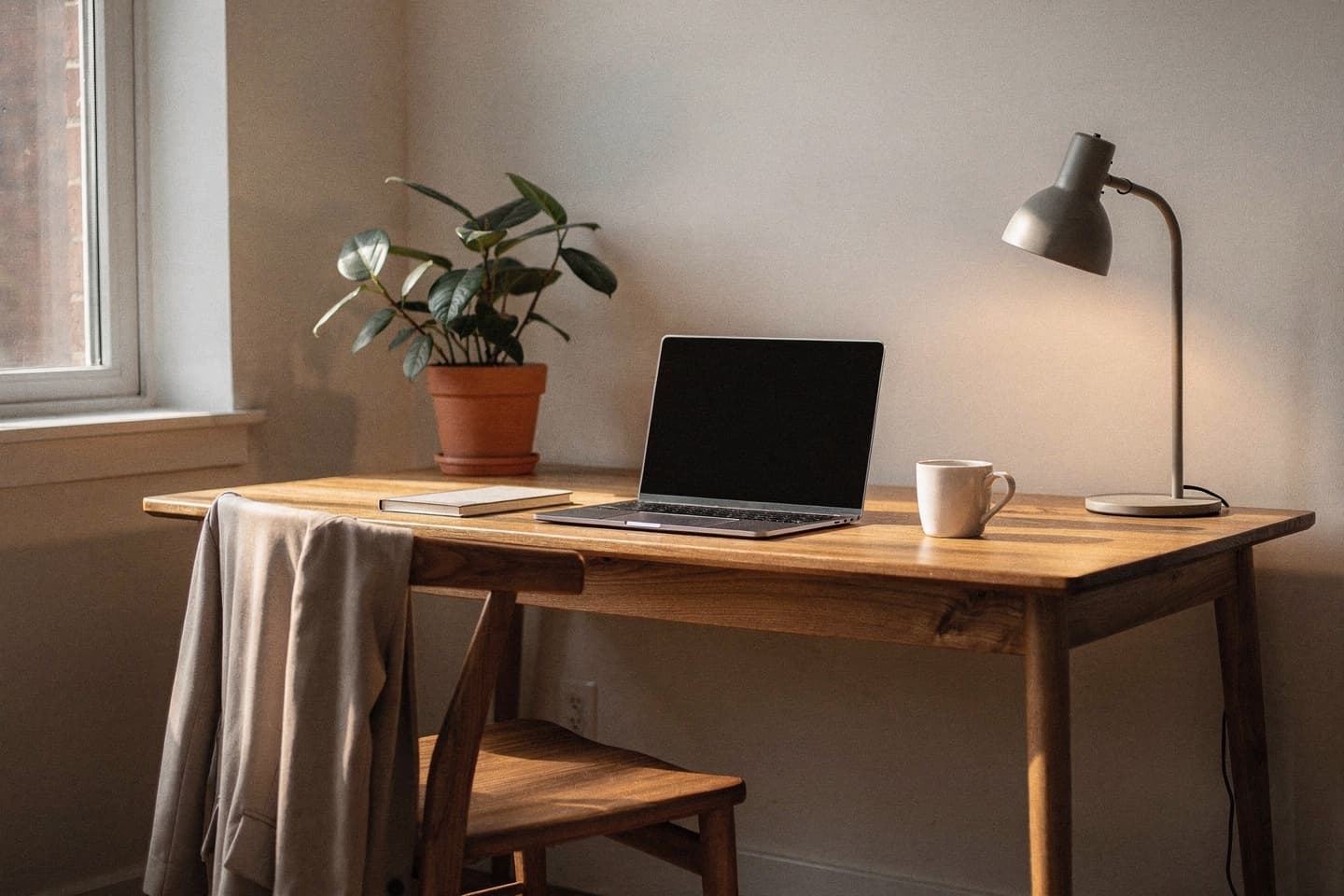
Office Backgrounds That Don't Look Generated
Most generated office scenes look generated because of one or two avoidable details. Here is what to ask for, what to leave out, and the five office setups that always read as real.
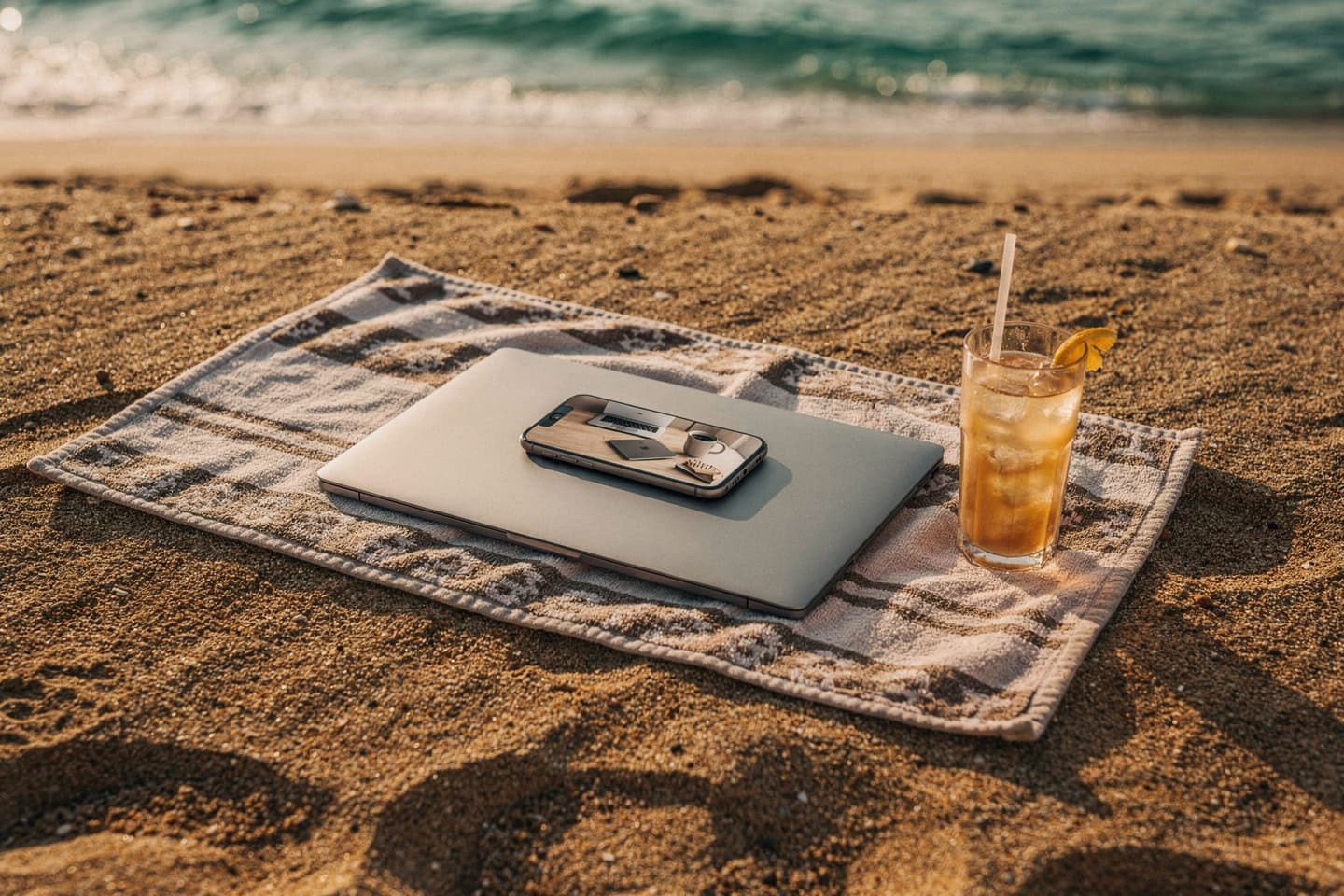
Looking Busy at Work While You're Actually on Vacation
The art of taking a break without telling your employer, your team, or your network. Practical, considerate, and uncomfortably common.
When Creating an Alternative Reality Makes Perfect Sense
A practical list of situations where it is reasonable, even sensible, to publish a photo of a life slightly different from the one you are living. Privacy, safety, dignity, distance, and rest.
The Ethics of Photo Manipulation in the Age of AI
Photo manipulation is older than photography itself. Here's a practical framework for thinking about what's fair, what's harmful, and where the line moves when AI enters the picture.
Long-Distance Relationships and the Art of Visual Presence
Distance is a problem of presence as much as of time. A small, considerate photographic habit can change how present you feel to the people you love, without pretending you are somewhere you aren't.
The Authentic Self vs the Performed Self
Every public-facing person now manages two versions of themselves. Here is how to keep the gap between them healthy, and how to notice when the gap has gotten away from you.
Quiet Quitting Your Social Media: A Guide to Selective Sharing
How to reduce your social media footprint without disappearing. A practical framework for posting less, posting better, and using finished photos as a low-cost holding pattern.
Why Some People Need More Privacy Than Others
Privacy is not a single dial. It is a set of needs that vary wildly by job, geography, family situation, and personal history. Here is who, in practice, needs more of it — and why edited photos are a reasonable tool for them.
The Difference Between Lying and Curating Your Story
Posting a curated version of your life is not the same as lying about it. The difference is small, important, and one most people get wrong in both directions.
The Psychology of FOMO and How to Stop Feeding It
FOMO is not a personality trait. It is a well-documented response to a media environment designed to produce it. Here is what is actually happening, and the most reliable ways to stop feeding it.
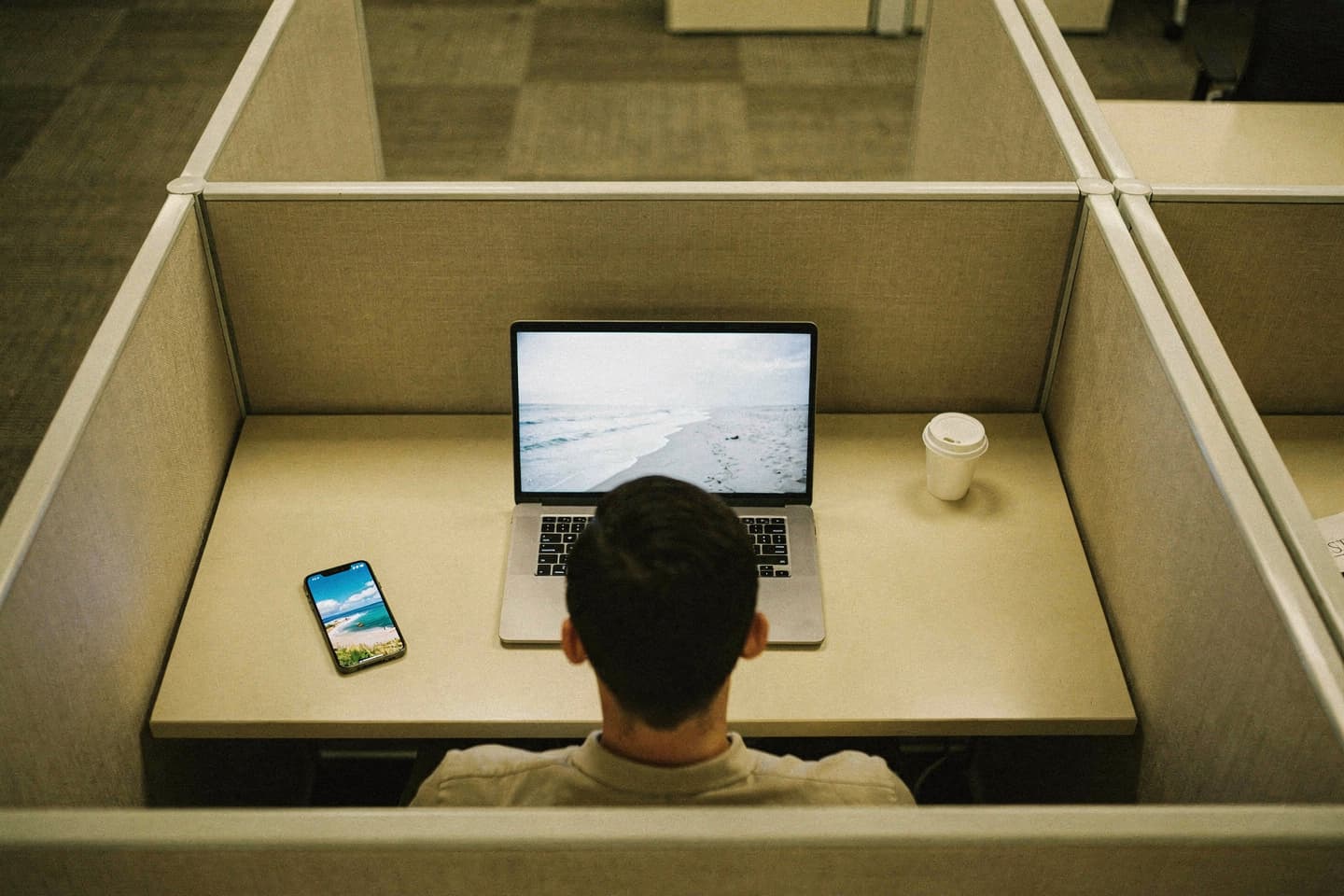
The Boring Job Problem: Why Your Feed Looks Better Than Your Life
The gap between the life you live and the life your feed implies is a structural problem, not a personal failing. Here is why it exists and what people are doing about it.