
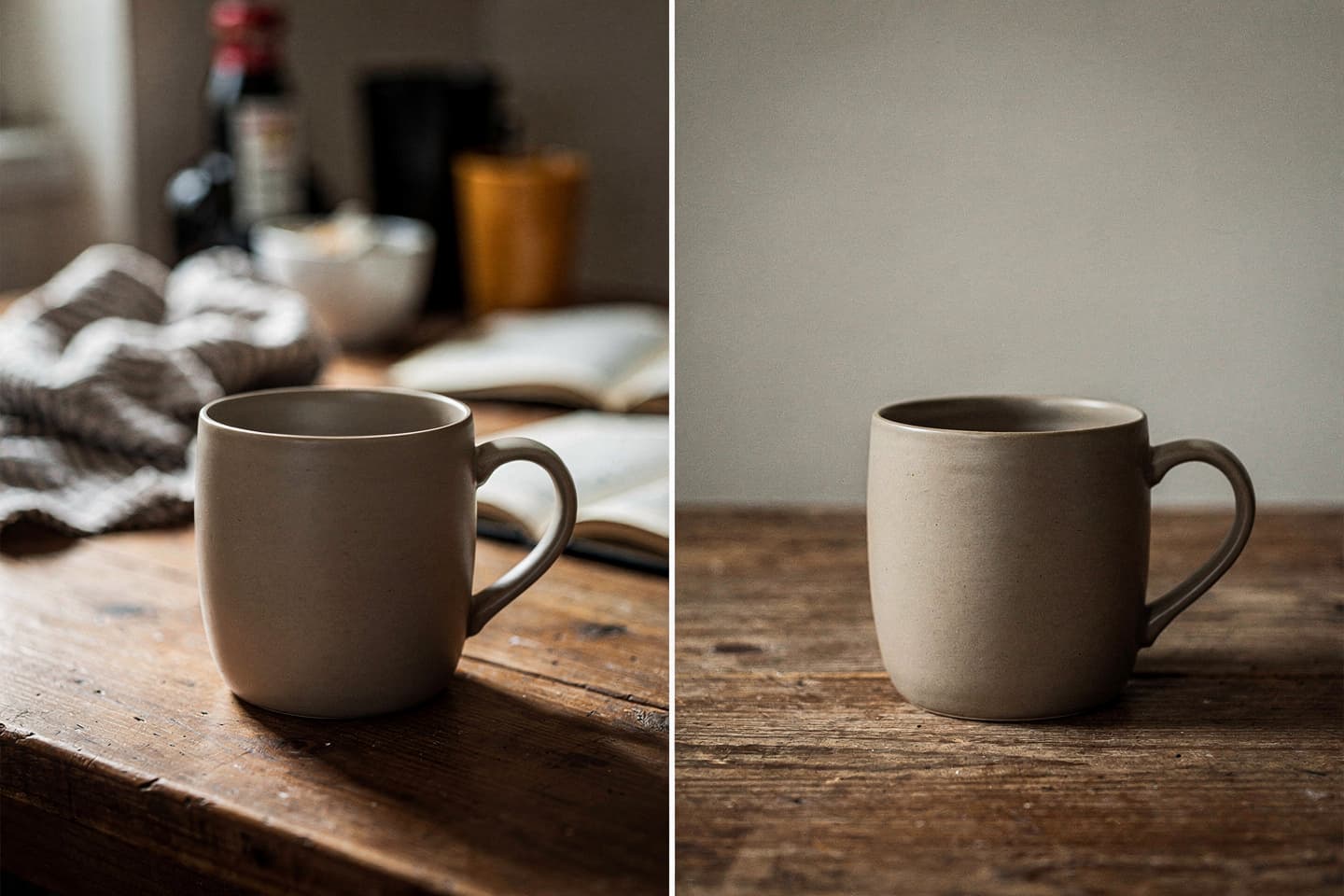
Every adult with a public-facing account now manages two versions of themselves. There is the authentic self — the one that exists in your living room at 10 p.m. on a Tuesday — and the performed self — the one that exists in your last thirty posts. Most articles about this argue that the performed self is fake and the authentic self is real, and that the cure is to be more authentic in public.
We disagree with this framing, gently. Performing a version of yourself in public is not new. It is what humans have done in every culture, at every dinner table, in every village square, for as long as villages have existed. The question is not should you have a performed self. The question is: how big is the gap between your authentic and performed selves, and is that gap costing you.
The gap, defined
A useful way to think about the gap is to ask what would happen if a colleague spent a quiet weekend at your kitchen table. Not a date. Not a friend. A regular colleague who only knows you from your posts.
- A small gap means the colleague would recognise the person they thought they knew. The kitchen, the conversation, the energy level — all plausibly the same person.
- A medium gap means they would be surprised by a few things. You are quieter. You read more than your posts suggest. The performed self leans more confident than the kitchen self.
- A large gap means they would not recognise you. The lifestyle, the energy, the social density, the cheer, the activities — all unrelated to what you post.
None of these gaps is inherently wrong. The interesting question is which gap you can sustain without paying a cost in self-image.
Why the gap costs you, when it does
People with sustainable gaps usually have one common feature: the performed self is a simplified version of the authentic self, not a different one. The performed self is smaller, neater, easier to consume — but it is a real subset of who they actually are. The kitchen-table colleague would say yes, this is them, just less of them.
People with costly gaps usually have a different pattern: the performed self is a compensating version of the authentic self. The performed self is louder, more social, more well-travelled, more aesthetic, more put-together than the authentic one. It exists to make up for something the authentic self feels is missing.
Compensating gaps are the ones that hurt. The reason is small and compounding: every time you post the performed version, you also tell yourself a small story about which version is the correct one, and the authentic self drifts further into the one I have to apologise for.
Where finished photos fit in
A finished photo is a small unit of performance. Like any other unit of performance, it can sit on either side of the line.
When the photo is a simplified version of a real day — you really were tired in a cafe, the original selfie just looked bad — the photo extends the authentic self. The gap stays small. The colleague at the kitchen table would still recognise you.
When the photo is a compensating version — you weren't really on a trip, you weren't really at brunch, you weren't really anywhere except the bed you have been in for three days — the photo widens the gap. Used occasionally, this is fine and arguably therapeutic; we covered the use case in The Boring Job Problem and Quiet Quitting Your Social Media. Used continuously, it produces the costly compensating-gap pattern.
The honest test is internal, not external. You know which kind of post a particular finished photo is. The question is whether you can be honest with yourself about which one this one is.
A simple diagnostic
If you find any of these statements describing you, the gap may be doing more work than you noticed.
- I feel a small tightness when I publish photos I know are not real.
- I have a story I told someone in person that I would have to look up to remember.
- I would feel embarrassed if a specific friend saw the originals next to the finished versions.
- I post more on the weeks I feel worst.
- I check the likes more on the finished photos than on the real ones.
None of these are catastrophic. All of them are signals that the performed self is drifting from supporting your authentic self toward replacing it.
Three habits that keep the gap healthy
1. Publish at least one honestly mundane photo a week
If every photo on your feed is finished, or staged, or filtered, the authentic self loses its representation. Publishing one honestly mundane photo a week — the kitchen, the desk, the walk — keeps the published you in conversation with the actual you. It also makes the finished photos easier to integrate, because they are not the only thing your feed contains.
2. Keep a private record of what you actually did
Some people keep a calendar. Some people keep a journal. Some people just save the original selfies in a private album. The point is to have an internal record that does not match the published one — not as evidence, but as a personal anchor. The kitchen-table colleague test is easier to pass when you have not lost track of which day was the real one.
3. Notice the relief, or its absence
A useful internal signal: after you publish, do you feel a small relief (the maintenance post is done, the week is covered, life moves on), or do you feel anxiety (will it be believed, did I overdo it, what if someone asks).
Relief is the signal of a sustainable gap. Anxiety is the signal that you are using a tool that was designed for relief to produce performance instead.
A short closing point
The performed self is not the enemy. Most adults need one. The aim is to keep it small, simplified, and connected to the authentic self. Finished photos are a fine tool for the simplified case and a slow poison for the compensating one. The difference is internal, not external, and the honest test is whether you can name which case this photo is when you publish it.
The kindest thing you can do for your future self is to keep the gap narrow. The cheapest version of that is one honestly mundane photo a week.
Related reading
- The Boring Job Problem
- The Psychology of FOMO and How to Stop Feeding It
- The Difference Between Lying and Curating Your Story
- Quiet Quitting Your Social Media
Try it yourself
Three free credits at btdt.fun. If you do try it, we suggest the first photo be a simplifying one — a real moment you didn't capture well — not a compensating one. It is a kinder place to start.